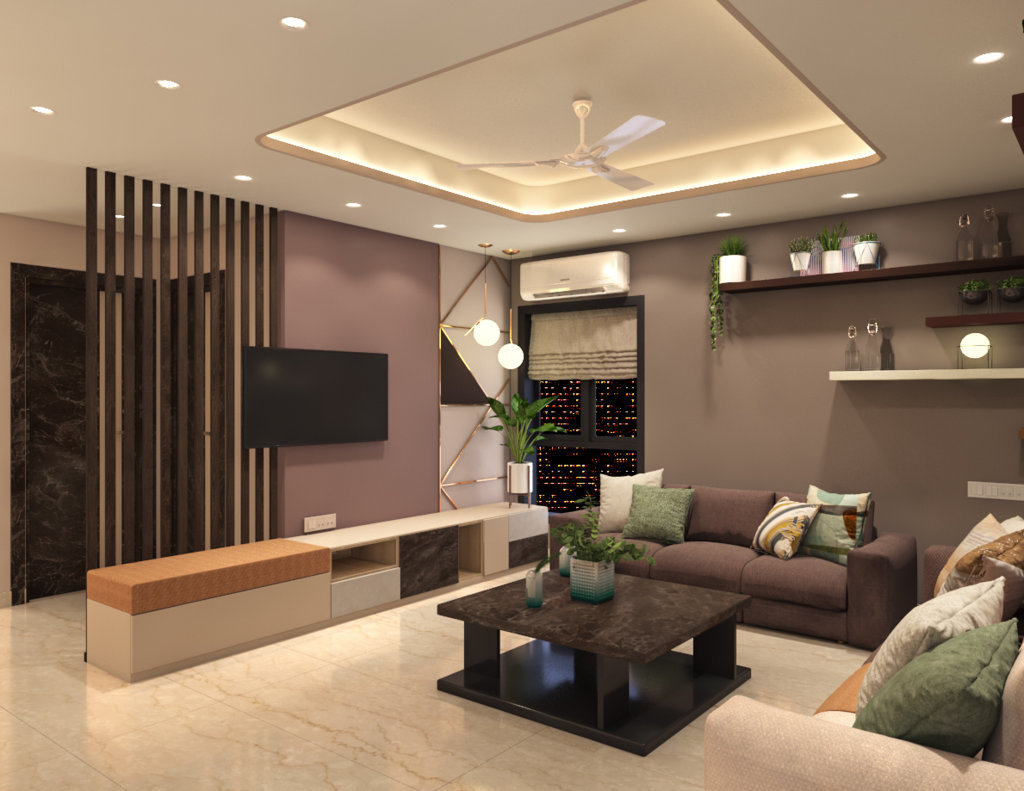
Timeless Themes: Classic Home Decor Ideas
Interior design is a enduring pursuit that goes beyond just looks; it is about designing spaces that align with our emotions and enrich our daily lives. As we navigate through the evolving landscape of design trends, certain rules remain steady, transcending trends and bringing enduring beauty and comfort to our homes. From comprehending color psychology to leveraging natural light, each element plays a vital role in shaping a space that feels specially yours.
In this exploration of classic interior design ideas, we'll explore into diverse themes that embody the essence of timeless design. Whether it’s enhancing functionality in small spaces, adopting minimalist principles, or introducing biophilic elements to bridge with nature, these themes are crucial to building environments that are both elegant and appealing. Join us as we uncover strategies to create cozy, useful, and visually appealing interiors that stand the test of time.
Warmth in Design: Building Welcoming Spaces
Designing cozy areas becomes essential for turning any home into a inviting sanctuary. The idea of comfort in interior design transcends mere aesthetics; it necessitates the thoughtful selection of furnishings, textiles, and accessories that spark a sense of belonging. Soft fabrics like soft throw blankets and velvety cushions can enhance seating areas, while layered lighting—from ambient to task—provides warmth and flexibility for multiple moods and activities. Adding personal touches, such as family photos or cherished trinkets, additionally connects the space to its residents, making it seem truly like home.
Key to achieving comfort is the layout of furniture, which should encourage relaxation and conversation. Designing friendly seating areas, perhaps with an comfortable nook for reading or chatting, encourages connection among family and friends. Additionally, incorporating natural elements—such as wooden furniture and indoor plants—can bring an organic warmth to the space, cultivating a sense of tranquility. The thoughtful placement of furniture to facilitate movement while enhancing comfort can dramatically alter the dynamics of a room.
Finally, color plays a vital role in creating cozy environments. Warm, earthy tones like warm beiges, warm grays, and muted greens can evoke feelings of safety and calm, while pops of brighter colors in accessories can liven up a space without distracting it. Moreover, comprehending the principles of color psychology can help you pick hues that match with the desired ambiance, ensuring each room maintains harmonious and inviting. By concentrating on these elements, you can create spaces that not only look aesthetically pleasing but also provide a haven of comfort for you and your loved ones.
Optimizing Design and Functionality in Compact Environments
Limited environments offer unique challenges, but with considerate design, they can be converted into elegant and practical spaces. Begin by selecting pieces that serves various purposes. For instance, a futon can provide seating by day and convert into a sleeping area at night, ideal for hosting guests without sacrificing space. Think about items like storage ottomans with storage inside or coffee tables that can expand for dining. Each element should be thoughtfully chosen to maximize functionality while maintaining an appealing appeal.
Adding vertical space is key to enhancing tight areas. Use bookcases, wall-mounted units, and hanging organizers to focus the gaze vertically and free up floor space. Consider floor-to-ceiling drapes to create the illusion of taller ceilings and more brightness. Placing mirrors purposefully can also expand the perception of space while reflecting light to illuminate dim corners. By using vertical design elements, you can maintain a fashionable environment without being tight.
Color choices can significantly influence how big a room seems. Soft, subtle hues create an airy atmosphere, while vibrant accent walls can add character without overpowering the senses. When choosing a color palette, strive for cohesive tones that blend throughout the space to achieve a unified look. Additionally, utilizing transparent materials, such as acrylic furniture or transparent shelves, can additionally enhance the sense of spaciousness, allowing for a visually appealing and practical small-space design.
Green Options: Eco-Friendly Interior Decor
Lately, sustainability turned into a crucial factor of interior design, as numerous designers emphasizing eco-friendly decisions. By picking materials that are not only sustainable and stylish, designers are able to create beautiful spaces that also have a lower impact on the environment. Options such as bamboo flooring, recycled glass countertops, and reclaimed wood furniture not only add individuality to a room but also contribute to the conservation of natural resources. By valuing these sustainable materials, interior designers can take the initiative toward a greener future.
Energy efficiency is a further important consideration in eco-friendly design. Including South Florida Interior Design as LED lighting, energy-star appliances, and high-efficiency windows optimizes natural light while minimizing energy consumption. Designers can also encourage the use of smart home technology to enhance energy use throughout the home. These choices not just reduce carbon footprints but also enhance the comfort of living spaces, making them more enjoyable for residents.
Finally, sustainable interior design goes beyond materials and energy; it encompasses the overall lifestyle choices of residents. By promoting biophilic design, which incorporates natural elements such as plants, water features, and natural lighting, spaces can encourage a connection with nature that enhances health. Additionally, choosing South Florida Interior Designer and decor from local artisans or second-hand sources not only reduces environmental impact but also supports local economies. By embracing these eco-friendly principles, interior designers can create spaces that are not just beautiful but also encourage sustainability and a healthier planet.