Sustainable Areas: Green Design Guidelines
In an age where our awareness of ecological issues is increasing, the concept of eco-friendly interior design has taken center stage. As more people seek to create spaces that are not only beautiful but additionally eco-friendly, the world of interior design has evolved to embrace a more holistic approach. This change allows us to create cozy and inviting surroundings while being mindful of our impact on the environment. Sustainable areas can be achieved through considerate choices in resources, colors, and designs, offering a harmonious marriage of style and eco-consciousness.
From maximizing functionality in small areas to harnessing the power of natural light, every design decision can contribute to a more sustainable and pleasant living environment. Incorporating South Florida Interior Designer like nature-inspired design, which brings nature indoors, enhances our connection to the world while promoting well-being. Whether you are redesigning a room or simply adding a few eco-friendly touches, this article will explore a variety of tips and trends that can inspire you to create a home that reflects your aesthetic and values while prioritizing the health of our environment.
Eco-Friendly Home Choices
Integrating sustainable home options can greatly reduce your environmental impact and enhancing the visual attractiveness of your space. Begin with picking green materials for your furniture and decor. Look for items crafted from renewable resources, including bamboo or reclaimed wood. Select organic fabrics and textiles that are without harmful substances, which not only help the environment but also provide a safer living space for you and your family.
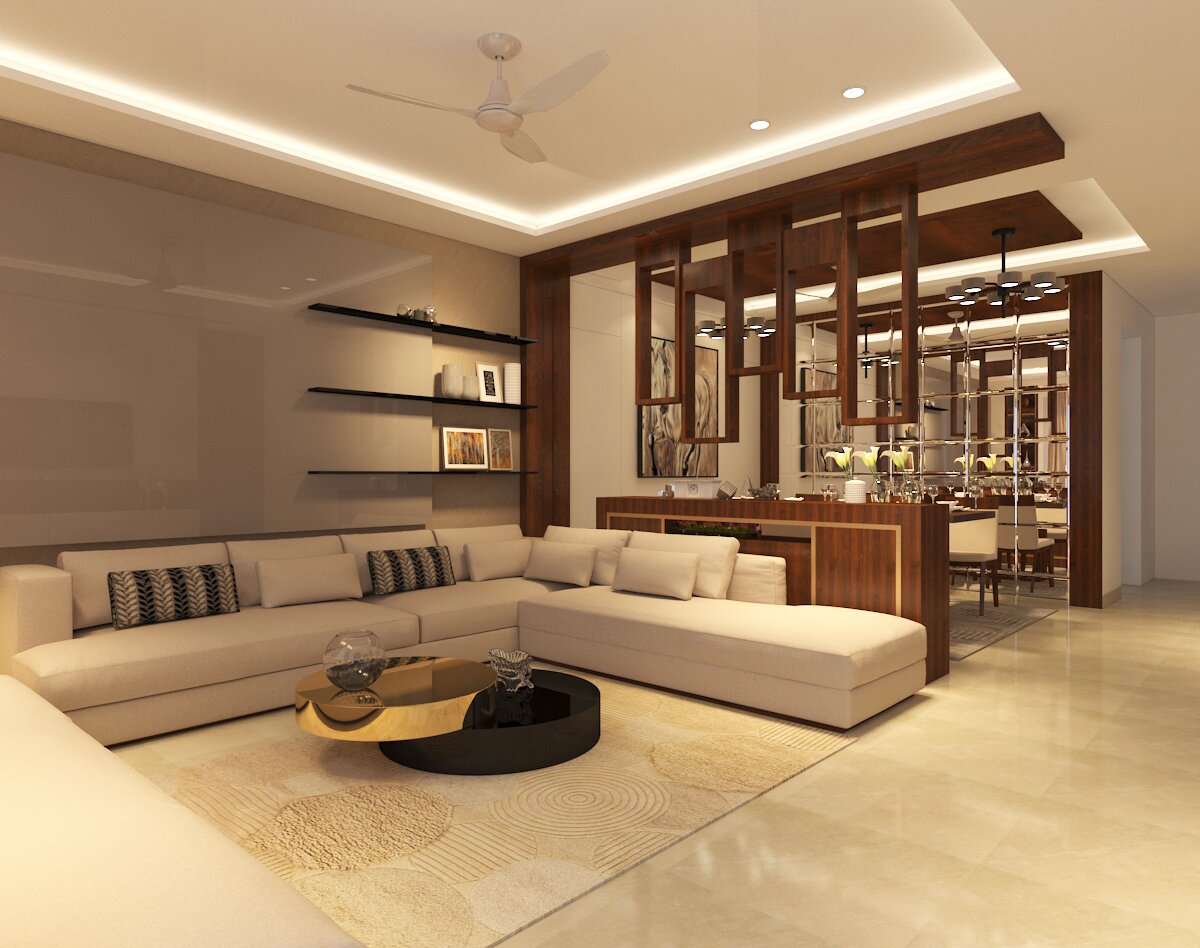
When it comes to color palettes and finishes, consider using low-VOC (volatile organic compounds) paints and eco-friendly coatings. These products release fewer toxic chemicals into your space, leading to better indoor air quality. Additionally, selecting South Florida Interior Designer , such as lime wash or clay-based paints, can introduce unique textures and depth to your interior while being kind on the environment. This way, your space can remain stylish without compromising on health or eco-friendliness.
Illumination is another vital aspect to think about when designing green spaces. Replace conventional bulbs with light-emitting diode lighting to lower energy consumption and extend the lifespan of your lights. Additionally, enhance natural light through strategically arranging mirrors to reflect daylight and using lighter colors for your walls and fixtures. This produces a brighter environment, reduces the need for artificial lighting, and invokes a sense of well-being, making your space both aesthetic and sustainable.
Optimizing Area and Practicality
In the realm of indoor design, especially in smaller homes or flats, maximizing space is crucial. One efficient way to achieve this is by using transformative furniture. Items like convertible sofas, adjustable dining tables, and storage ottomans serve dual purposes, allowing you to use a room for various functions while keeping mess to a small amount. Additionally, built-in shelving can make the most of vertical capacity, providing space without reducing floor space.
Another strategy for maximizing a limited space is to consider the configuration carefully. Free-flowing floor plans often create a sense of roominess, but for smaller rooms, you might want to separate areas using rugs or decorations arrangement. Ensuring a smooth flow between spaces can make a home feel more open and more welcoming. Focusing on essential pieces and avoiding overcrowding is key to maintaining both design and practicality within your interior.
Lastly, creative storage solutions can help keep your living areas neat and effective. Think about utilizing under-bed storage or built-in designs to hide away items while ensuring easy access when needed. Vertical storage options, like wall-mounted cabinets or hanging baskets, free up floor room and can even serve as decorative elements, contributing to a harmonious and stylish interior while enhancing overall functionality.
Crafting Inviting and Relaxing Atmospheres
To craft an welcoming and soothing atmosphere in your home, think about the influence of organic elements. Incorporating eco-friendly design elements can significantly enhance your environment. Use greenery, organic materials like timber and granite, and large windows to bring the outside in. This bond to the environment not only makes your surroundings more enjoyable but also improves your well-being and well-being. Choose colors inspired by nature, such as soft green shades and natural tones, to evoke a vibe of peace and relaxation.
Illumination plays a crucial role in setting the atmosphere. Utilize a blend of ambient, specific, and decorative lights to create layers of illumination throughout your environment. Soft South Florida Interior Designer is perfect for relaxation areas, such as the living room or sleeping area, while more intense, focused light can be used for workspaces or cooking areas. Think about adding dimmers to control the level of illumination, allowing you to adjust the mood to suit your needs at any time of day.
In conclusion, tactility and coziness are essential in making a space feel friendly and approachable. Use a range of materials like luxurious rugs, cuddly pillows, and snug blankets to add dimension and invitingness. Arrange furniture to encourage interaction and movement, enhancing a feeling of community. By combining these elements, you can design environments that not only look aesthetic but also provide a feeling of serenity and comfort, making your abode a refuge from the chaos of life.